The idea for the museum, a memorial to the Holocaust, first began in 1978 through President Jimmy Carter’s establishment of the President’s Commission on the Holocaust. In the Final Report of the Commission in 1979, President Carter’s words “never again” lodged their place in history:
“Out of our memory…of the Holocaust, we must forge an unshakeable oath with all civilized people that never again will the world stand silent, never again will the world…fail to act in time to prevent this terrible crime of genocide…we must harness the outrage of our own memories to stamp out oppression wherever it exists. We must understand that human rights and human dignity are indivisible.”
Founded in 1993, the United States Holocaust Memorial Museum has welcomed more than 50 million visitors, including over 11 million school-age children. Approximately 90 percent of its visitors are non-Jewish, reflecting its broad educational mission. Nearly two million people visit the Museum in Washington each year, and its impact extends far beyond its walls. In 2024 alone, the Museum’s websites reached nearly 34 million visitors from 243 countries and territories. Through its exhibitions, archives, teacher training programs, survivor testimony initiatives, research, and digital resources, the Museum helps millions of people worldwide understand how one of history’s greatest atrocities occurred—and why its lessons remain urgently relevant today. Like many others, I am one of those people.
They have produced vast amounts of content for people trying to understand what happened within humanity to produce such a horrific atrocity. I am one of those people. From my father’s extended Czech Jewish family, forty-four relatives were murdered by the Nazis, including dad’s father, Arnost, and mother, Olga Holzer.
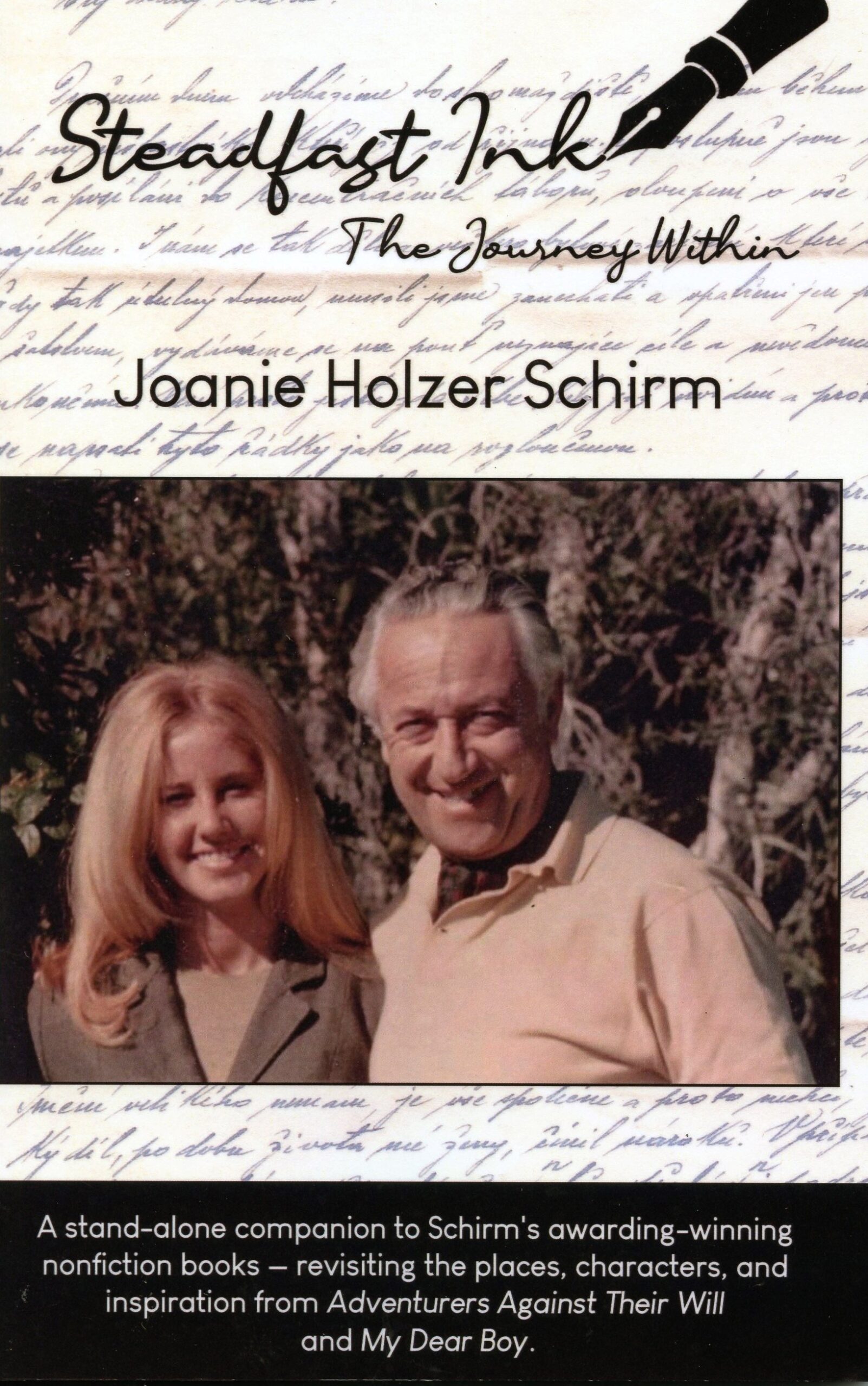
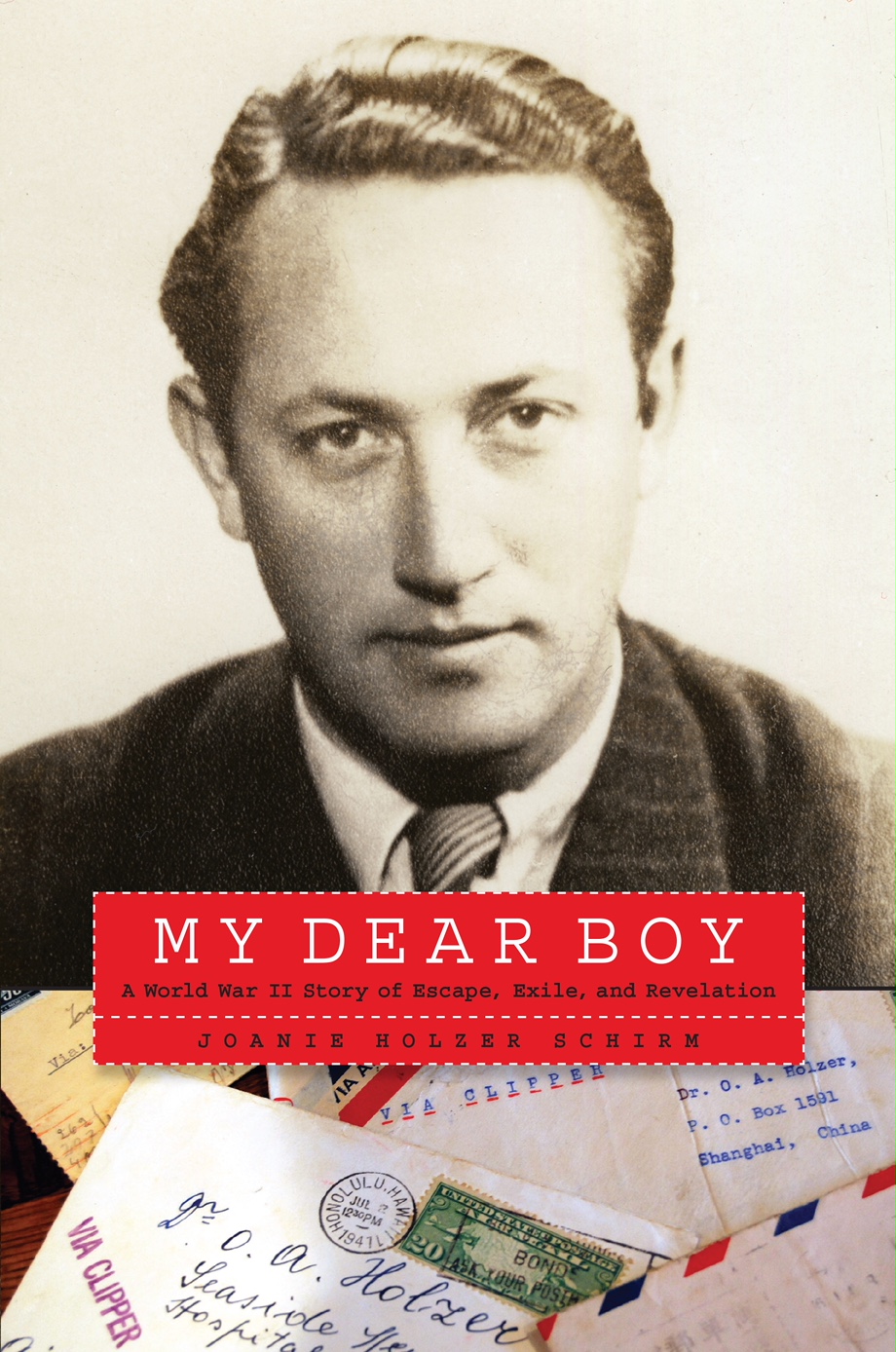
In May 1939, a young Jewish doctor named Oswald “Valdik” Holzer fled from his Nazi-occupied Czech homeland to China. His parents and most relatives opted to stay behind. During a period of conflict involving Chinese Nationalists, Communists, and the Japanese, Valdik worked as a doctor for eight months before reaching Peking (Beijing) in late 1940. There, he fell deeply in love with Ruth Alice Lequear, an American missionary. After numerous adventures during WWII, they settled in Melbourne Beach, Florida, in 1952, where they enjoyed a 60-year love story and raised three children.
Because of the horrors of the Holocaust, I never knew my grandparents, Arnost and Olga Holzer, or 42 other relatives. Before the USHMM opened, information about what occurred during the Holocaust was hard to access. Like my father, most families with lost loved ones only had hearsay. Thanks to the USHMM, our national institution for Holocaust documentation and research, I now understand what truly happened to my father’s family and friends.
This story might never have come to light without a remarkable discovery. After my parents’ passing in 2000, my siblings and I uncovered four hundred WWII letters in old Chinese boxes, written by 78 different authors, mostly in Czech. These letters were correspondence with my father during his journey as a forcibly displaced person across five continents. When translated, these voices revealed an extraordinary story—an unparalleled record of events across four continents that altered history forever.
When I sold my engineering consulting firm and retired in 2008, I had the letters translated. These letters, which took months or even years to reach from sender to receiver, contain the very essence of my family, my father’s friends, the fabric of the culture, and humanity’s hope. However, the answers they offered only generated more questions.
Over the past two decades of working with USHMM representatives, I’ve received research assistance and moral support at every step. First, I learned that my grandparents likely perished in Sobibor in 1942. Even in this deep sadness, I wanted to know more — for myself, my children and grandchildren, and generations to follow. USHMM helped me identify who the people in the letters were and what happened to them. Some perished, but many became displaced and rebuilt their lives around the world, having children (like me, now over 70).
The letters’ voices animate history by creating a personal link to the Holocaust and emphasizing the humanity of victims and survivors. They confront antisemitism not just in Europe but also in America. The letters illustrate the experience of losing one’s homeland, immigrating, and trying to rebuild life amid profound personal loss and guilt, whether justified or not. Often, they find new beginnings, strive for citizenship, only to be expelled by autocrats who view them as threats.
The voices of the letter writers echo the urgent plea of ‘never again,’ a warning we must never ignore. Sadly, over time, some people have come to doubt that these events ever occurred. In a December 1945 letter, written shortly after the war’s end, a close friend of my father, who witnessed the horrors at Terezin concentration camp, warned prophetically about future skeptics of the atrocities.
“If we watch the Nuremberg Trial… we have reason to be pessimistic about the future. Most people lack the gift of imagination, and what they don’t personally experience seems nothing but propaganda to them.”
My research was made possible by the support and resources of the United States Holocaust Memorial Museum. Soon, they will shut to update their exhibits and stories. As the WWII eyewitness generation diminishes, we face a crucial moment. I want to guarantee that the principle of ‘never again’ is maintained by future generations, who will need to act if hate and prejudice reappear. It’s clear that, regardless of our backgrounds, we all have a role in the USHMM’s mission to learn from the Holocaust and understand the severe consequences of indifference.